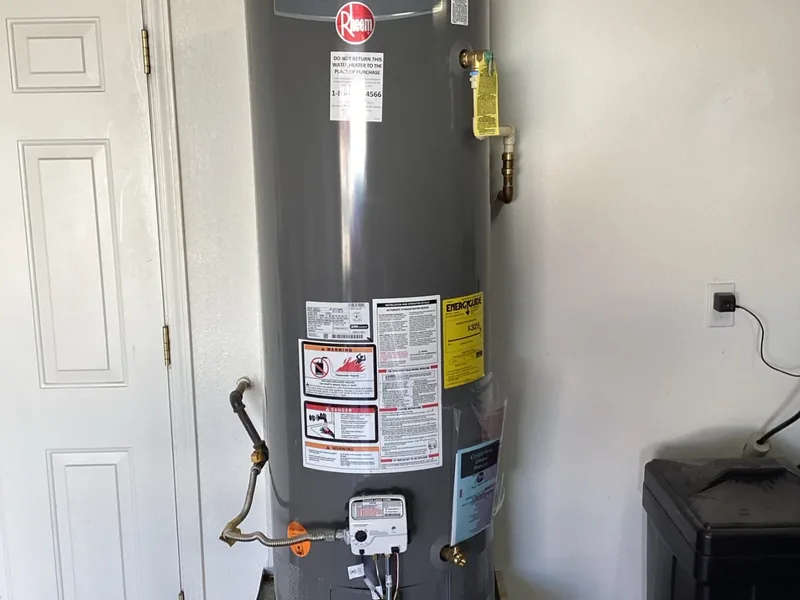
Water Heater Noise Diagnosis: What Each Sound Means
A quiet water heater is a happy water heater. When yours starts popping, rumbling, hissing, or banging, it is communicating — and learning its language lets you tell a harmless quirk from a warning sign. Some noises are normal physics; others mean sediment is cooking the tank bottom, pressure is misbehaving, or a leak is developing. This guide translates the most common water heater sounds, explains what causes each one, gives you the appropriate fix, and flags the noises that mean "call a professional in DeSoto today."
Popping and Rumbling: Sediment Talking
The classic water heater complaint: a popping, rumbling, or crackling sound like a coffee percolator, usually during and just after the heating cycle. The cause is sediment buildup on the tank bottom. In DeSoto's hard water, calcium and magnesium precipitate out and form a crusty layer over the burner or lower element. Water trapped beneath the sediment flashes to steam, and the steam bubbles pop as they force their way up through the layer — that is the sound you hear.
Occasional light popping in an older unit is common, but loud or constant rumbling is a problem: the sediment insulates the tank bottom, forcing the steel far hotter than designed, which accelerates tank failure and wastes energy. The fix: flush the tank following our maintenance checklist procedure. If years of neglect have baked the sediment into concrete-like scale that flushing will not move, a technician can assess whether a powered flush or replacement is the answer. Loud rumbling in a heater past year ten often means the tank is living on borrowed time — start planning per our lifespan guide.
Hissing and Sizzling: Water Where It Should Not Be
A hiss or sizzle — like water dropped on a hot skillet — means water is contacting a hot surface. The two usual scenarios:
- A leak dripping onto the burner or hot flue. On gas units, water weeping from a fitting above can drip into the combustion chamber and sizzle on hot metal. On electrics, a leak onto a hot element cover makes the same sound. This deserves prompt investigation with our leak detection methods, because the leak will only grow.
- Condensate on the flue at startup. Brief sizzling in the first minutes of a gas burner's cycle, stopping as the flue heats, is usually harmless flue-gas condensation — common in humid weather and on high-efficiency units.
Rule of thumb: sizzling that stops within minutes of startup is condensation; sizzling that continues or appears mid-cycle is a leak until proven otherwise.
Ticking and Tapping: Expansion and Contraction
Light ticking or tapping as the heater warms up or cools down is the sound of metal expanding and contracting — the tank, pipes, and mounting straps shifting microscopically. It is also the sound of copper pipes expanding against tight straps or wood framing. This is normal and harmless in most cases. It becomes worth addressing when it is loud enough to disturb sleep (a heater on the other side of a bedroom wall): the fix is usually cushioning pipe straps, adding expansion loops, or securing loose straps — small plumbing adjustments, not heater repairs.
Banging and Water Hammer: Pressure Shock
A loud bang or shudder when a faucet snaps shut — or when the heater's own valves operate — is water hammer: the shock wave of suddenly stopped water slamming through the pipes. While the noise comes from the piping rather than the heater, it hammers the heater's fittings, valves, and tank seams with every occurrence, loosening connections over time. Causes include high water pressure (check it — above 80 psi is too high), fast-closing valves on washing machines and dishwashers, and failed or missing water hammer arrestors. Persistent water hammer loosens exactly the fittings that later become leak sources, so it is worth fixing: a plumber can install arrestors at the offending fixtures and verify system pressure.
Ask a Pro → Not sure what you're dealing with? Call (833) 713-2101 and describe what you see — we'll point you in the right direction.
Whistling and Screeching: Restricted Flow
A high-pitched whistle or screech during hot-water use usually means water forcing through a restriction: a partially closed valve, a clogged inlet screen, or heavy scale narrowing a passage. Check that the cold-water supply valve to the heater is fully open and that any fixture shutoff valves are fully open. On tankless units, whistling often points to scale buildup in the heat exchanger — another vote for annual descaling. If opening valves does not silence it, a technician should check for a failing valve or scaled passages before the restriction stresses the pump or seals.
Humming: Electric Element Vibration
A low hum from an electric heater is typically the heating element vibrating as current passes — loose elements hum louder. It is rarely dangerous, but a suddenly louder hum, or humming paired with slow hot-water recovery, suggests the element is failing or heavily scaled. Tightening (or replacing) the element resolves it; our heating element service covers diagnosis and swap.
Gurgling: Air in the System
Gurgling or bubbling sounds often mean air trapped in the tank or lines — common after plumbing work, a water main repair on your street, or refilling the tank after maintenance. Usually it purges itself through normal use within a day. Persistent gurgling paired with sputtering faucets can indicate a dip tube breaking apart inside the tank (sending cold water to the top and mixing air), which is a repair-or-replace evaluation.
Noises That Mean "Call Today"
- Any noise paired with visible water — hissing plus moisture is a leak until proven otherwise.
- Booming or loud banging from the tank itself on a gas unit — can indicate delayed ignition, which needs professional burner service.
- Screeching from the T&P valve area — the safety valve may be lifting; check for overheating immediately.
- A sudden new loud noise in an old heater — especially rumbling that appeared within weeks, which can signal rapid sediment hardening or tank distress.
When you call, tell us exactly what the sound is, when it happens in the heating cycle, and how long it has been going on — that description often lets a technician arrive with the right parts on the truck.
Noticed water around your heater? Don't wait for it to get worse. Call (833) 713-2101 → for fast help in DeSoto and the surrounding Dallas County area.
Frequently Asked Questions
Is a popping water heater dangerous?
Popping itself is not immediately dangerous, but what it signals — sediment overheating the tank bottom — shortens tank life and wastes energy. Think of it as an urgent maintenance reminder, not an emergency.
Why is my water heater suddenly loud after years of quiet?
Sediment accumulates gradually, then crosses a threshold where steam-bubble noise becomes audible — it sounds sudden but built up over years. A recent change in water supply or a newly failed softener can also accelerate it.
Will flushing stop the rumbling?
If the sediment is still loose, yes — often dramatically. If years of baking have fused it into hard scale, flushing helps less, and the noise may persist; that is a sign the tank has limited life left.