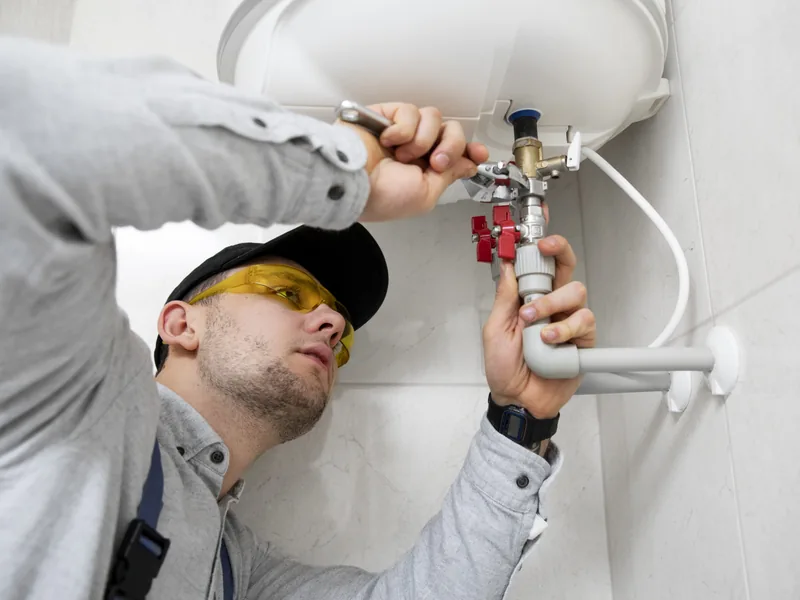
Most water heater leaks are not bad luck — they are the end result of years of skipped maintenance. The good news is that the same is true in reverse: a modest amount of preventive care dramatically reduces the odds of waking up to a flooded garage. This guide lays out the practical steps DeSoto homeowners can take to prevent water heater leaks, from the five-minute checks to the yearly habits that add years to a tank's life.
1. Flush Sediment Regularly
In DeSoto's hard water, sediment is the number one enemy. Flushing the tank once a year — twice if your water is very hard — clears the mineral layer that insulates the tank bottom, overheats the steel, and shortens tank life. Attach a hose to the drain valve, run it to a safe drain, and flush until the water runs clear. If you have never flushed an old heater, have a professional do the first one: disturbing a decade of sediment can expose pinholes that the scale was plugging, and it is better to discover that with a technician present.
2. Check the Anode Rod
The anode rod is your tank's rust protection, and in Texas water it may be spent in as little as three to five years. Have it inspected around year three and replaced as needed — a fresh rod is one of the cheapest ways to add years to a tank. Homes with water softeners should check even more often, since softened water consumes rods faster.
3. Test the TPR Valve
The temperature-pressure relief valve is the heater's pressure safety device. Once a year, lift its test lever briefly (with a bucket under the discharge pipe) and confirm water flows and stops when you release. If it drips afterward, sticks, or does nothing, it needs replacement. Never plug or cap a TPR discharge pipe — a blocked relief path turns a pressure problem into a rupture risk.
4. Keep Water Pressure in Check
High pressure stresses every seal, valve, and seam in the system. Have your static pressure tested — it should sit between 40 and 60 PSI. If it is higher, a pressure regulator and a properly charged expansion tank are the fix. Many DeSoto homes on municipal supply run hot on pressure without ever knowing it until a valve starts weeping.
5. Look at Your Heater Monthly
You do not need tools for this one. Once a month, glance at the base of the heater for moisture, rust streaks, or a musty smell, and check the fittings on top for drips or corrosion. Catching a weeping fitting early is a cheap repair; catching it after it has soaked the subfloor for months is not. Also listen for new popping or rumbling — sediment talking.
6. Set the Temperature to 120°F
Higher temperatures accelerate mineral buildup, increase scald risk, and waste energy. One hundred twenty degrees is the sweet spot: comfortable, efficient, and easier on the tank. Every ten degrees above that measurably shortens component life in hard water.
7. Schedule Professional Maintenance
A yearly professional visit covers what DIY cannot: full flush, anode rod inspection, element and thermostat testing, gas burner and vent check, pressure verification, and a trained eye on the tank's overall condition. It is the single highest-return habit on this list, and a proper water heater tune-up in DeSoto costs far less than the water damage it prevents.
Know When Prevention Has Done Its Job
Even perfect maintenance cannot make a tank immortal. If your heater is past ten to twelve years, prevention shifts from extending life to planning replacement on your terms — before a rupture plans it for you. Budget for the new unit, and you trade an emergency for a scheduled upgrade.
Your Yearly Water Heater Checklist
Put these on the calendar once a year and most leak risk disappears: flush sediment from the tank, test the TPR valve, check the anode rod if the heater is over three years old, verify water pressure is between 40 and 60 PSI, inspect visible fittings and valves for weeping or corrosion, confirm the thermostat is set to 120 degrees, and make sure the area around the heater is clear with the drain pan (if you have one) clean and draining. Ten minutes of your time plus one professional visit a year covers everything on this list properly. Homeowners who follow this routine routinely get the full rated life — or better — from their tanks, while neglected heaters in the same neighborhood fail years early. Prevention is not exciting, but it is the cheapest plumbing you will ever buy.
Want a leak-prevention plan for your DeSoto water heater? Call Water Heater Leak Repair Specialists at (833) 713-2101. We will inspect, flush, and tune your system — and give you an honest read on how many good years it has left.