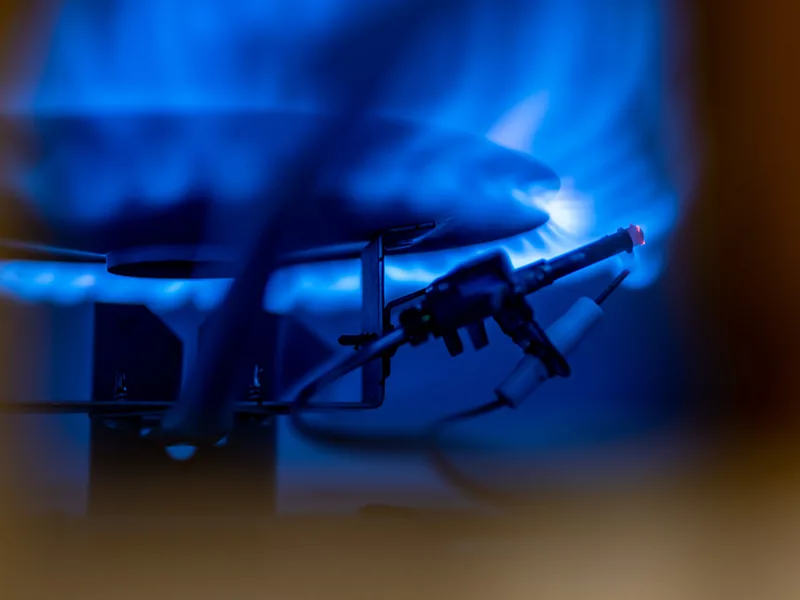
The gas control valve is the brain of a gas water heater. It regulates gas flow to the burner, holds the pilot, and shuts everything down if something goes wrong. When it fails, you can get no hot water, a pilot that will not stay lit, or — worst case — a gas leak. This guide covers how the valve works, the symptoms of a failing one, and the safety rules every DeSoto homeowner should follow.
What the Gas Control Valve Does
The valve sits on the front of the tank with the temperature dial. It performs three jobs: it meters gas to the pilot and main burner based on the thermostat setting, it uses a thermocouple or thermopile to confirm the pilot is lit before allowing gas to flow, and it has a built-in high-limit cutoff that shuts off gas if the tank overheats. Modern valves also manage electronic ignition sequences on newer models. Because it is a safety device as much as a control, any malfunction deserves professional attention — this is not a part for experimentation.
Common Gas Control Valve Problems
- Pilot will not stay lit. The most reported symptom. The thermocouple may be faulty, but the valve's own pilot circuit can also fail — if a new thermocouple does not fix it, the valve is the likely culprit.
- Burner will not ignite or cycles erratically. Internal valve components wear, and the valve may fail to open fully or stick, causing weak heating or short cycling.
- Water overheating or no temperature control. A failing thermostat section inside the valve lets water get scalding hot or refuses to adjust when you turn the dial.
- Gas smell near the valve. A faint odor at the valve body or connections can indicate a seal failure inside the valve or at its fittings. Treat any gas smell as urgent.
- Visible corrosion or moisture on the valve. Water dripping onto the valve from a leaking tank connection corrodes its internals and can short its safety mechanisms.
Safety Rules: Read Before Touching Anything
If you smell gas — a rotten-egg odor — stop. Do not light matches, flip switches, or use your phone near the heater. Leave the house and call your gas utility or 911 from outside. Gas control valve diagnosis involves gas connections and combustion; beyond turning the knob to OFF, leave the work to a professional. Never bypass safety features, never use an open flame to 'check for leaks' (use soapy water on a cooled unit only, or let a pro do it), and never relight a pilot repeatedly if it keeps going out — repeated failed ignition attempts can let gas accumulate.
Diagnosing the Problem
A technician starts by checking the easy causes: a weak thermocouple, a dirty pilot orifice, or a tripped high-limit switch. If those check out, the valve itself is tested — inlet and manifold pressure readings reveal whether it is opening and metering gas correctly. Electrical continuity tests on the valve's solenoid and thermostat circuits pinpoint internal failures. This methodical approach matters because replacing the valve is pointless if the real issue is a drafty vent or a bad thermocouple — and gas water heater repair in DeSoto should always start with the cheapest likely cause, not the most expensive part.
Repair or Replace?
Gas control valves are generally replaced, not repaired — internal components are sealed and calibrated at the factory. The good news is that a valve replacement is far cheaper than a new heater. The math changes if the heater is over ten years old, the tank shows rust, or multiple components are failing; then putting a new valve on a dying tank wastes money, and replacement is the smarter call. A straight-talking technician will show you the tank's condition before recommending either path.
When to Call a Professional
Call immediately for any gas smell, a pilot that will not stay lit after basic checks, water that is dangerously hot, or visible damage to the valve. These are not wait-and-see situations.
Valve Lifespan and the Repair-vs-Replace Decision
Gas control valves typically last 10 to 15 years — roughly the life of the heater itself. When a valve fails on a heater under eight years old with a sound tank, replacement is almost always the right call and costs a fraction of a new unit. On a heater past ten years, especially one showing rust or sediment problems, weigh the valve cost against a full replacement: putting a new valve on a tank with two years left is poor value. A trustworthy technician will inspect the tank's condition and show you the evidence before recommending either path — which is exactly what happens during a professional water heater inspection in DeSoto — so ask to see what they see. Either way, never buy a used or universal-fit valve from an online marketplace — gas valves are model-specific safety devices, and the wrong valve can create a genuinely dangerous situation.
Gas water heater acting up in DeSoto? Call Water Heater Leak Repair Specialists at (833) 713-2101. We diagnose gas control valve problems safely and honestly — and if your tank is still sound, we will say so.