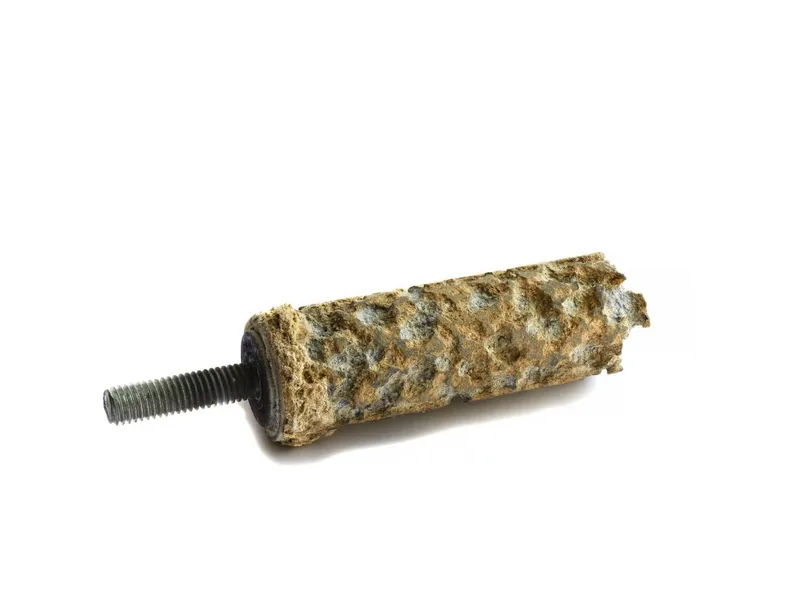
Inside every conventional tank water heater, a single small metal rod quietly sacrifices itself so your tank does not rust. It is called the anode rod, and if you have never heard of it, you are not alone. Most DeSoto homeowners only learn about it when a technician mentions it during a leak call — often after the tank is already damaged. This guide explains what the anode rod does, the warning signs that it is worn out, and how replacing it on time can add years to your water heater's life.
What Is an Anode Rod and Why Does It Matter?
A water heater tank is made of steel with a glass lining. Over time, hot water and minerals attack that lining, and the steel underneath begins to corrode. The anode rod, usually made of magnesium, aluminum, or a zinc-aluminum alloy, corrodes preferentially — meaning the water attacks the rod instead of the tank walls. In plumbing terms, it is the 'sacrificial' metal. When the rod is intact, your tank is protected. When the rod is fully eaten away, corrosion moves on to the tank itself, and a leaking tank is the most common result. In our experience serving water heater leak repair in DeSoto, depleted anode rods are behind many tank failures we see in heaters past the ten-year mark.
Northern Texas has moderately hard water, and hard water speeds up the electrochemical process that consumes the rod. If your DeSoto home has untreated hard water, your anode rod may last only three to five years instead of the six to eight years manufacturers often advertise. That shorter lifespan is one of the main reasons regular water heater maintenance matters so much in this part of Texas.
Signs Your Anode Rod Needs Replacement
Because the rod sits inside the tank, you cannot judge its condition by looking at the outside of the heater. Watch for these symptoms instead:
- Rotten-egg or sulfur smell in hot water. A failing magnesium rod reacting with sulfates in the water is a classic cause. If only the hot water smells, the anode rod is the prime suspect.
- The water heater is 4+ years old and the rod has never been checked. At this age in Texas water conditions, the rod is likely more than half gone.
- Rusty or discolored hot water. While this can come from old pipes, it can also mean tank corrosion has started — the rod may already be gone.
- Popping or rumbling sounds from the tank. Sediment buildup plus an aging rod often arrive together; both accelerate tank wear.
- The tank feels warm or shows rust around fittings. Surface rust near the top of the tank can indicate internal corrosion is advancing.
How a Technician Checks and Replaces the Rod
Checking an anode rod is a straightforward job for a professional. The rod screws into the top of the tank, often under a hex-head cap. A technician shuts off the water and power or gas, relieves tank pressure, and unscrews the rod to inspect it. A healthy rod still has a solid core of metal, roughly the diameter of a pencil or better, with a relatively even surface. A spent rod is thin, pitted, or reduced to a bare steel wire with calcium crust — if you see the bare wire, it was overdue.
Replacement involves threading a new rod into the same port and resealing it. In DeSoto homes with low ceilings or tight closets, there may not be enough clearance above the heater to insert a full-length rod; in that case a flexible or segmented rod bends into place and performs the same job. If your home has chronic odor issues, an aluminum-zinc rod can reduce the rotten-egg smell while still protecting the tank.
How Often Should You Replace It?
A reasonable schedule for DeSoto homes is to have the rod inspected around the three-year mark and replaced every four to five years, or sooner if the water is very hard. A new anode rod is one of the cheapest forms of water heater insurance there is: it protects a tank that costs many times more to replace. Homes with water softeners deserve a note of caution — softened water is more aggressive toward anode rods and can consume them faster, so inspect more frequently if you soften your water.
Anode Rods and Tank Leaks
It is important to be honest about what an anode rod can and cannot do. A fresh rod prevents corrosion; it does not reverse it. If your tank already has a pinhole leak or a rusting seam, replacing the rod will not seal the leak — the tank needs replacement. That is why the rod matters as a preventive measure, not a repair. If you are seeing moisture around the base of the heater, skip the rod replacement and call for an inspection first.
When to Call a Professional
Replacing an anode rod sounds simple, but rods seize in the tank threads over years of heat and mineral exposure. A DIY attempt with the wrong wrench can strip the fitting, crack the tank, or burn out an electric element if power is not shut off correctly. A professional inspection also catches related issues — sediment level, pressure problems, valve condition — in the same visit.
If your water heater is over five years old and the rod has never been checked, or you smell sulfur in your hot water, call Water Heater Leak Repair Specialists at (833) 713-2101. We check and replace anode rods across DeSoto and nearby Texas communities, and we will give you a straight answer about whether your tank is worth protecting or nearing replacement.