Thermostat Replacement in DeSoto, TX
IN SHORT: Your water heater's thermostat controls water temperature and shuts the heating elements or gas burner off at the set point. When it fails, you get no hot water, scalding water, or a constantly tripping reset button. We test, diagnose, and replace failed thermostats the same day. Call (833) 713-2101 for thermostat replacement in DeSoto.
The Small Part That Runs Your Whole Water Heater
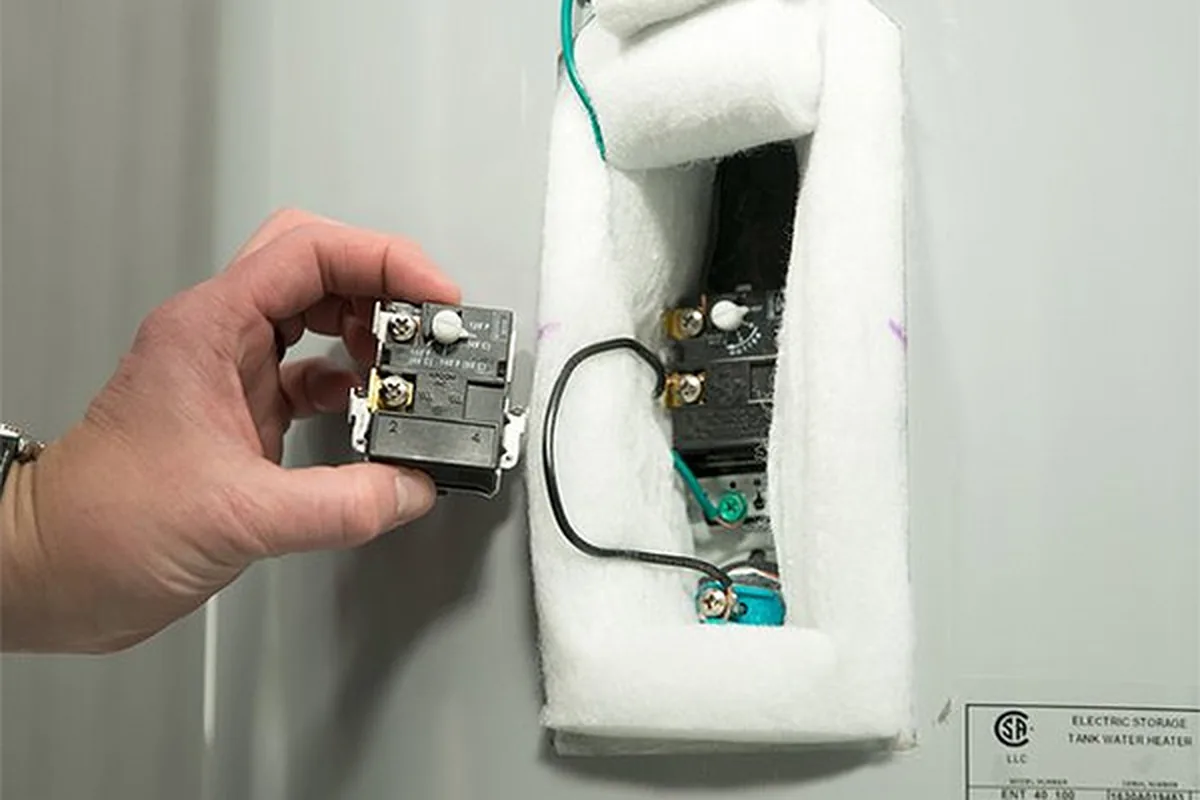
Buried under the access panels on the side of your water heater are the hardest-working electrical components in the appliance: the thermostats. On an electric heater there are two of them, upper and lower, each paired with its own heating element. Their job sounds simple — turn the element on when the water is too cool, turn it off when it reaches the temperature you set, usually 120 degrees. But they do it through thousands of heating cycles a year, in a hot, humid environment, for a decade or more. When a thermostat's internal contacts pit and burn or its temperature sensor drifts, the symptoms show up fast: cold showers, water hot enough to scald, or a heater that heats for twenty minutes and quits.
Thermostat failure is one of the most common — and most misdiagnosed — water heater problems we see in DeSoto. Because a dead thermostat and a dead heating element produce similar symptoms, plenty of heaters get condemned or get the wrong part replaced. We test both before we replace either, so you pay for the part that actually failed.
How the Upper and Lower Thermostats Work Together
Understanding the tag-team arrangement explains nearly every thermostat symptom. The upper thermostat is the boss. When you draw hot water and cold water rushes into the top of the tank, the upper thermostat senses the temperature drop first and powers the upper element. Once the top of the tank is satisfied, the upper thermostat clicks over and hands power down to the lower thermostat, which heats the bottom of the tank. Only one element ever runs at a time — that is why a 4500-watt heater can run on a 30-amp circuit.
This sequencing means a failed upper thermostat usually kills all hot water, because the lower one never gets its turn. A failed lower thermostat is sneakier: you get a tank that feels hot at first, then runs cold fast, because only the top third of the tank is actually being heated. If your showers start hot and die young, the lower thermostat is suspect number one.
Both thermostats carry a second, critical device: the high-limit switch, also called the ECO. It is a safety cutoff, typically set around 170 to 180 degrees, with a little red reset button. If water temperature ever climbs toward scalding territory because a thermostat stuck in the on position, the ECO trips and kills power to everything. A tripped reset button is your heater screaming that something overheated — resetting it without finding the cause just sets up a repeat.
Gas Heaters Have Thermostats Too
On a gas water heater, temperature control lives inside the gas control valve — the box on the front of the heater with the dial marked Warm, Hot, and Very Hot. Inside is a thermostat probe that extends into the tank, a gas valve, and a safety shutoff system tied to the thermocouple or thermopile. When the probe senses cool water, it opens the gas valve and the burner fires; at the set temperature, it throttles down to a pilot-level flame or shuts off.
Gas control thermostats fail differently than electric ones. The probe can lose calibration and run the tank too hot or too cool, the valve can stick, or the safety magnet can weaken so the pilot will not stay lit. Because the thermostat and gas valve are one sealed assembly, the repair is replacing the whole gas control valve — a job that involves gas connections and must be done carefully, with leak testing on every joint before the heater goes back into service.
Signs Your Water Heater Thermostat Has Failed
- No hot water at all, with the breaker fine and the pilot lit — classic failed upper thermostat or tripped ECO
- Water hot enough to scald even with the dial set to 120 — a thermostat stuck closed, over-firing the tank
- The red reset button keeps tripping. Resetting it once after a power surge is one thing; tripping repeatedly means the high limit is doing its job against a runaway thermostat
- Plenty of hot water for five minutes, then cold — the lower thermostat or lower element has quit, so only the top of the tank heats
- Water temperature swings wildly between too hot and lukewarm without touching the dial
- The heater runs constantly or never seems to shut off, driving up electric or gas bills
- Breaker trips when the heater runs — a shorted thermostat can send power where it should not go
Our Thermostat Replacement Process
- Power down and verify. We switch off the breaker and confirm zero voltage at the heater with a meter before a panel comes off. On gas units, we shut the gas cock. No shortcuts, ever.
- Test before we replace. We check continuity and calibration on both thermostats and both elements with a multimeter. Thermostats get tested for proper switching at temperature; elements get checked for correct resistance and no short to ground. This is the step that separates a real diagnosis from parts-guessing.
- Replace the failed thermostat. Electric thermostats mount against the tank under a spring clip — no draining required. We fit the correct upper or lower model for your heater, set it to 120 degrees, and confirm solid thermal contact with the tank wall.
- Replace the ECO/high-limit when indicated. If overheating tripped the safety, we find why it overheated rather than just pushing the button back in.
- Gas control valve replacement when needed. For gas heaters, we swap the valve assembly, reconnect the pilot and thermocouple lines, and soap-test every gas joint under pressure.
- Full verification. We restore power, watch a complete heating cycle, confirm the burner or elements shut off at the set temperature, and check hot water at a tap. We also glance at the anode rod and overall tank condition and tell you honestly what we see.
Why Thermostats Fail Early in DeSoto Homes
Three local factors shorten thermostat life here. First is hard water. DeSoto's Dallas-supplied water runs around 7 to 8 grains per gallon of hardness, and that mineral load settles as sediment on the bottom of the tank. Sediment blankets the lower element and thermostat, forcing longer heating cycles and hotter localized temperatures that cook the thermostat's internals. Heaters that have never been flushed are the ones whose lower thermostats die young.
Second is the age of the housing stock. Large parts of DeSoto were built from the 1960s through the 1980s, and many homes still run water heaters that are 10 to 15 years old — right in the window where thermostat contacts wear out. If your heater is over a decade old and the thermostat fails, we will test the tank's overall health and give you an honest read on whether a thermostat replacement or a full heater replacement is the smarter money.
Third is North Texas weather. Spring storm season brings power surges and brief outages that hammer water heater electronics and ECO switches. We see a spike in tripped high-limit switches and fried upper thermostats every storm season. A whole-home surge protector helps; until then, do not ignore a reset button that keeps popping.
A Safety Note Worth Reading
Water at 140 degrees causes third-degree burns in seconds, and a failed thermostat can push a tank well past that before the ECO catches it. If your hot water is suddenly scalding, treat it as urgent: turn the heater's breaker off or set a gas unit to pilot, avoid using hot taps, and call us at (833) 713-2101. And never bypass or tape down a tripped reset button — it tripped because the tank overheated, and forcing it defeats the one safety device standing between you and a steam incident.
Thermostat Questions DeSoto Homeowners Ask Us
How do you know it is the thermostat and not the heating element?
We test both with a multimeter. A thermostat should show continuity switching cleanly and open at its set temperature; an element should read the correct resistance with no path to ground. Symptoms overlap, so testing — not guessing — is the only way to replace the right part the first time.
What temperature should my water heater be set to?
120 degrees Fahrenheit. It is hot enough for comfortable showers and dishwashing, cool enough to prevent scalding, and it slows sediment baking and tank corrosion. Setting it higher wastes energy and shortens the life of thermostats, elements, and the tank itself.
Why does the reset button keep tripping?
Because the high-limit switch is detecting overheating, usually from a thermostat whose contacts have welded shut so the element never turns off. It can also trip from a shorted element, a failing ECO, or heavy sediment causing extreme localized heat. Repeated tripping always has a cause worth finding.
Can you replace just one thermostat, or should both be done?
We replace the one that failed. But if one thermostat has died of old age, the other has lived the same hard life — on heaters over ten years old, replacing both during one visit is often the economical call, and we will price it both ways so you can decide.
Do I need to drain the tank to replace a thermostat?
No. Electric thermostats mount on the outside of the tank under the access panels, so replacement takes about an hour with no draining and no mess. Gas control valve replacement is more involved but still typically finished the same day.
How long does thermostat replacement take?
Most electric thermostat replacements are done in under an hour, including diagnosis and verification. Gas control valve replacements run a bit longer because of the gas line work and mandatory leak testing. Either way, you will have hot water back the same day.
Cold Shower This Morning? It Might Be a Twenty-Minute Fix
Thermostat failure is common, affordable to fix, and completely diagnosable before we replace a thing. Our DeSoto technicians test your thermostats and elements, replace only what failed, and verify a full heating cycle before we leave. Call (833) 713-2101 now for same-day water heater thermostat replacement in DeSoto, TX.