In Short
In short: if your water heater is leaking in Duncanville, TX 75116, call Water Heater Leak Repair Specialists at (833) 713-2101. We provide same-day leak diagnosis and repair across Duncanville — 1960s brick ranch homes, garage installations, and multi-generation water heaters included.
Water Heater Leak Repair for Duncanville, TX 75116
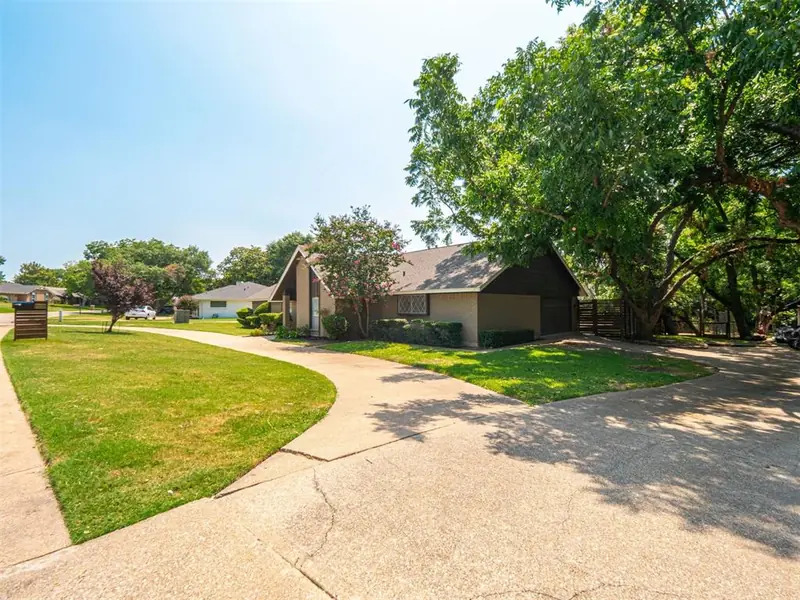
Duncanville is the original Best Southwest suburb — one of the four cities, alongside Cedar Hill, DeSoto, and Lancaster, that make up the Best Southwest partnership in southern Dallas County. Settlement here began in the 1840s, the railroad arrived as Duncan Switch in 1880, and the postwar decades turned farmland into the brick ranch neighborhoods that still define the 75116 ZIP: mature oaks, quiet streets off Main Street and Wheatland Road, and easy access to I-20, Highway 67, and Loop 12. These are established, proud neighborhoods — the “City of Champions” — where most homes date to the 1960s and 1970s and most water heaters are on their second or third generation. If yours is leaking, call (833) 713-2101. We work Duncanville’s ranch homes every week.
The defining trait of a 75116 water heater call is generational wear. The house has seen several tanks come and go, and each installation disturbed the original plumbing a little more: supply connections re-threaded, valves replaced or — more often — left alone for decades, dielectric unions aging through multiple thermal lifetimes. The current tank may be 12 years old, but the shutoff valve feeding it might be 40, and the union at the top might be original to a replacement from the 1990s. Our diagnosis in Duncanville always treats the water heater as part of a system with history, because in these homes the leak is as likely to be in the 30-year-old fitting as in the 10-year-old tank.
1960s Brick Ranch Homes and Their Water Heaters
The classic Duncanville home is a single-story brick ranch on a concrete slab: three bedrooms, two baths, a garage that holds the water heater, and a lot shaded by trees planted when the subdivision was new. It is a durable design, and the water heater location is a good one — concrete floor, usually near an exterior wall, with room to work. The problems are the ones that come with age. Factory plastic drain valves from 1990s and 2000s replacement tanks turn brittle and weep. Temperature-and-pressure relief valves that have never been tested start dripping. And the threaded top connections — re-made with each tank swap — develop the slow corrosion weep that homeowners mistake for condensation.
Slab foundations shape every 75116 leak. With no crawlspace, water from a garage installation spreads across the concrete and wicks into drywall, baseboards, and stored belongings. Duncanville garages, like garages everywhere, accumulate decades of storage, and a water heater walled in behind boxes can drip for weeks unnoticed. We find a steady share of 75116 leaks only when a homeowner finally moves something and discovers the damp box — or the stained drywall behind it. Keeping the tank visible and the drain pan’s drain line clear are the two cheapest forms of leak insurance a ranch home can have.
The neighborhoods themselves add character to the work. Around Red Bird Park and the older streets near downtown Duncanville, homes from the earliest postwar waves have the oldest surviving plumbing — galvanized sections, original hose bibbs, gate valves that have not turned since the Carter administration. Farther out, 1970s subdivisions run more copper and slightly newer valves, but the tanks are just as old in spirit. We adjust the diagnosis to the block: in the oldest pockets we check the supply piping itself, because a new tank on failing old pipe just moves the leak upstream.
Duncanville Water and the 8-to-12-Year Clock
Duncanville purchases treated surface water through the Dallas regional system, and like the rest of North Texas it is moderately hard. Hardness sets the clock every tank in 75116 lives by: roughly 8 to 12 years for a conventional unit. Dissolved minerals precipitate inside the hot tank as scale, settle as sediment, insulate the burner on gas units, and produce the rumbling and popping that Duncanville homeowners know well. Each pop is a steam bubble forcing through sediment — and a small thermal shock to the tank bottom. Tanks that have never been flushed — common in homes where the current owner inherited the heater — can hold inches of the stuff.
The anode rod is the other half of the clock. That sacrificial magnesium or aluminum rod is designed to corrode so the steel tank does not, and in this area’s water it is typically consumed within six to eight years. Almost nobody replaces it. Once it is gone, the tank becomes the sacrificial metal and internal rust accelerates — first as rusty hot water, then as seepage at the base, then as failure. Add the closed-system pressure common in Duncanville — pressure regulators and check valves mean thermal expansion needs an expansion tank, and many older installs never got one — and you have the full 75116 recipe: sediment plus depleted anode plus pressure spikes, ending at a relief valve that drips or a tank bottom that lets go.
How We Service Duncanville’s Established Homes
Call (833) 713-2101 and we will start by helping you stop the damage — locating the cold-water shutoff above the heater (and replacing it if it is seized, as so many 75116 valves are) and cutting power or gas. Then a technician arrives the same day with a truck stocked for generational homes: ball valves, dielectric unions, flex connectors, brass drain valves, relief valves, expansion tanks, pans, and the 40- and 50-gallon tanks these ranch floor plans take.
- System-with-history diagnosis: tank, valves, unions, and supply piping checked together.
- Seized shutoff valve replacement with quarter-turn ball valves.
- Top-fitting and union repairs where decades of re-installation have worn connections.
- Drain valve upgrades from brittle factory plastic to full-port brass.
- Relief valve service with house-pressure testing and expansion tank checks.
- Sediment flushing for tanks worth saving — with honest verdicts on the rest.
- Full tank replacement sized for 75116 ranch homes, with pan, drain line, and new connections.
- Anode rod inspection and replacement to extend the life of a mid-life tank.
Duncanville homeowners tend to be long-term owners, and long-term owners appreciate straight talk. Here it is: if your tank is past ten years, find its manufacture date and start planning. If it is leaking from a fitting or valve, repair is usually the right call. If water is coming through the tank wall, replacement is the only honest fix — and we will show you the failure point so you never have to take our word for it. That is how we have earned repeat calls across the Best Southwest: the right fix, explained clearly, done the same day.
Duncanville, TX 75116 — Area Fact Box
- Coverage: Duncanville, southern Dallas County — Best Southwest, near I-20, Hwy 67, and Loop 12
- Housing era: Mostly 1960s–1970s brick ranch homes; many on second or third water heater
- Common installs: Garage water heaters on slab foundations
- Plumbing: Mix of original and updated; old gate valves and aging unions common
- Water: Purchased treated surface water via the Dallas regional system, moderately hard
- Watch for: Generational fitting wear, seized shutoffs, sediment rumbling, relief-valve drips
Water Heater Leak FAQs — Duncanville, TX 75116
My Duncanville home was built in the 1960s. How many water heaters has it likely had?
Probably two or three. A conventional tank lasts roughly 8 to 12 years in North Texas water, so a 1960s home has cycled through several units by now — and the current one may itself be 10-plus years old. That generational turnover is actually useful information: if your home is on its third tank, the original plumbing connections have been disturbed multiple times, and we check those joints carefully. Find the manufacture date on the serial number and call (833) 713-2101 for an honest read on where your current unit stands.
Are the big old oak trees in Duncanville a problem for water heaters?
Not directly — water heaters sit inside the house, and roots threaten sewer lines far more than water lines. But the mature trees tell you something important: the neighborhood is old enough that everything is on its second or third generation, including the water heater, its valves, and its connections. The shade is wonderful; just don’t let the mature-neighborhood charm lull you into assuming the equipment is as sturdy as the oaks.
Why does my water heater rumble like it is boiling rocks?
Because, in a sense, it is. Duncanville’s purchased treated surface water is moderately hard, and years without flushing let mineral sediment bake into a thick layer on the tank bottom. On gas units, steam bubbles force their way through that layer — the rumbling or popping you hear — and each cycle overheats the steel. Heavy sediment is the leading cause of bottom leaks in 75116’s older tanks. A flush quiets it; a tank that has been rumbling for years may already be past saving.
My heater is in the garage behind a wall of storage. Do I need to clear it out before you come?
Clearing a working path to the front of the unit saves real time — we need access to the tank, the valves above it, and room to work. You do not need to empty the whole garage; just make sure we can reach the heater and stand in front of it. If the unit needs replacement, we will need a clear path to wheel the old tank out and the new one in. A quick tidy before we arrive turns a two-hour job into a faster one.
Gas or electric — which do most Duncanville homes have?
Both are common across 75116, varying by subdivision and era — many 1960s and 1970s ranch homes have gas units, while others were built or converted to electric. We service both every day: burners, thermocouples, and gas valves on gas units; elements, thermostats, and breakers on electric. If you are not sure which type you have, just say so when you call (833) 713-2101 and describe the unit — we will arrive prepared either way.
Should I replace my working 14-year-old tank before it fails?
Strongly consider it. At 14 years in North Texas water, a tank is well past its expected life, and in Duncanville’s established neighborhoods we see these units fail as sudden ruptures — not polite drips. A planned replacement lets you choose the timing, the unit, and the installation details (pan, expansion tank, quality valves). An emergency replacement happens on the tank’s schedule, usually with water damage attached. Call us for an inspection and we will tell you honestly how much life is left.
The City of Champions Deserves Championship Service
Duncanville’s neighborhoods have stood strong for sixty years — their water heaters just need the same steady attention the community gives everything else. Water Heater Leak Repair Specialists serves the full 75116 ZIP with same-day diagnosis, honest repair-or-replace verdicts, and the whole-system care that generational homes require. If your heater is leaking, rumbling, dripping, or running rusty, call (833) 713-2101 today.