In Short
In short: if your water heater is leaking in Cedar Hill, TX 75104, call Water Heater Leak Repair Specialists at (833) 713-2101. We provide same-day leak diagnosis and repair across Cedar Hill — from Lake Ridge attic installations to garage tanks in the city’s established subdivisions.
Water Heater Leak Repair for Cedar Hill, TX 75104
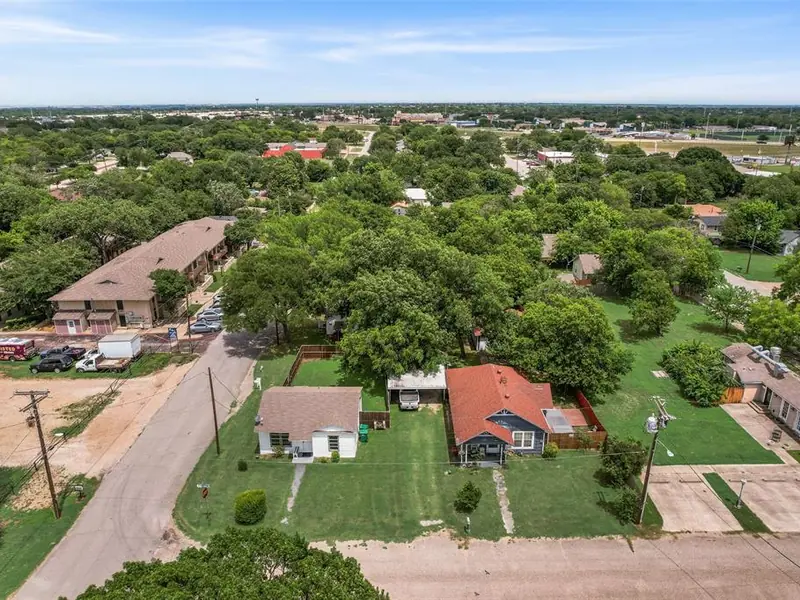
Cedar Hill is the hill country of Dallas County — literally. The city rises along the Austin Chalk escarpment, a band of rolling terrain that gives Cedar Hill its cedar breaks, its overlook views, and its most distinctive neighborhoods: Lake Ridge along the shores of Joe Pool Lake, Waterford Oaks, and the subdivisions fanning out from Cedar Hill State Park and Tangle Ridge Golf Course. The typical home in the 75104 ZIP is newer than in the suburbs to the north, with a median build year around 2002: two-story brick homes on slab foundations, three-car garages, and water heaters installed in garages, upstairs utility closets, and attics. If your heater is leaking anywhere in Cedar Hill, call (833) 713-2101. We work these hillside subdivisions every week and know how their homes are put together.
What sets Cedar Hill apart for water heater work is the ground itself. Expansive clay soils over limestone bedrock swell in wet seasons and shrink in dry ones, and that slow seasonal breathing moves slabs a fraction of an inch at a time. Most homeowners notice it as sticking doors or hairline drywall cracks. What they do not notice is what the same movement does to rigid copper supply lines and the dielectric unions bolted to the top of the water heater — year after year of micro-flexing that eventually becomes a weep, then a drip, then a failed connection. A surprising share of the “mystery leaks” we diagnose in 75104 trace back to soil movement working on the tank’s top fittings, not to the tank itself.
Hillside Lots, Two-Story Plans, and Long Plumbing Runs
Cedar Hill’s terrain shaped its subdivisions. Lots step with the grade, many homes back to greenbelts or the lake, and two-story floor plans dominate — which means the water heater often lives far from the fixtures it serves. A garage or attic unit on one end of the house feeds a primary suite on the other, through long runs of pipe in walls and attics. Every extra foot of run is another joint, another potential leak point, and another place where a slow drip can hide inside a wall cavity for months. When Cedar Hill homeowners tell us their hot water “takes forever,” we hear a floor plan with a lot of plumbing — and we check those runs carefully during any leak diagnosis.
Attic installations deserve special attention here. Builders across 75104’s 1990s and 2000s subdivisions routinely placed water heaters above the second floor to preserve garage space, and an attic in Cedar Hill is a brutal environment: summer temperatures soar, winter brings sharp freezes, and the unit cycles through both extremes yearly. Drain pans crack. Pan drain lines clog with blown insulation and dust. Overflow protection that was optional when the home was built may never have been installed. When an attic tank fails in Lake Ridge or Waterford Oaks, the water does not politely pool — it sheets through ceiling drywall into bedrooms below. We treat every attic leak in Cedar Hill as time-sensitive, because the damage multiplies with every hour.
The limestone factor shows up in a second way: water chemistry. Cedar Hill’s supply is treated surface water purchased through the regional Dallas-area system, and North Texas water runs moderately hard. In homes where the tank has never been flushed — and in a 2002-built home, that can mean two decades of neglect — sediment builds into a thick layer that insulates the burner, causes the popping and rumbling homeowners describe, and overheats the tank bottom until the steel gives way. Bottom leaks in 75104 are very often sediment leaks: preventable with annual flushing, fatal without it.
What Cedar Hill’s Water Does to Tanks Over Time
Moderately hard water does its damage quietly. Dissolved calcium and magnesium precipitate out inside the hot tank, settling as scale that coats the bottom and walls. On gas units, that scale forces the burner to run longer and hotter to heat the same water, which is why neglected tanks in Cedar Hill develop the kettling rumble that sounds like the unit is boiling rocks. Each heating cycle then becomes a thermal shock to a tank bottom that is already insulated from the water it is supposed to heat. We have opened drain valves in 75104 garages and gotten nothing but a reluctant trickle of rust-colored sludge — the sign of a tank that has been suffocating in its own sediment for years.
Hard water also eats anode rods faster. The sacrificial rod inside the tank — magnesium or aluminum — is designed to corrode so the steel tank does not, but in mineral-heavy water its lifespan is often just six to eight years. Once it is gone, the tank becomes the anode, and internal corrosion accelerates sharply. Add the closed-system pressure issue common across Cedar Hill — pressure regulators and check valves are standard in these subdivisions, which means thermal expansion has nowhere to go without a working expansion tank — and you have the full 75104 failure recipe: sediment plus depleted anode plus pressure spikes. The relief valve drips, the fittings weep, and eventually the tank wall lets go. Our service calls here routinely include a pressure test and an expansion tank check, because treating the leak without treating the pressure just schedules the next one.
How We Service Leaking Water Heaters Across 75104
Call (833) 713-2101 and we will start by helping you limit the damage — shutting the cold-water supply to the heater, cutting power or gas, and, for attic units, protecting the rooms below. Then a technician comes to you the same day. We carry the full range of repair parts for Cedar Hill’s housing: dielectric unions and flex connectors for movement-stressed top fittings, brass drain valves, relief valves, expansion tanks, drain pans, and pan drain components, plus the common tank sizes for full replacements.
- Attic leak emergency response with ceiling protection and water-path tracing to contain damage fast.
- Top-fitting repairs where soil movement has worked dielectric unions and connectors loose.
- Drain pan and pan-drain service for attic, closet, and garage installations.
- Relief valve diagnosis paired with house-pressure testing to find expansion problems.
- Expansion tank installation, testing, and replacement matched to your system pressure.
- Sediment flush service and drain-valve upgrades to full-port brass for tanks worth saving.
- Full tank replacement correctly sized for two-story homes with long plumbing runs.
- Anode rod inspection and replacement to slow internal corrosion in hard-water conditions.
Cedar Hill homeowners tend to be planners — and the best plan for a water heater here is a simple one. Know where your shutoff is. Flush the tank yearly. Check the attic pan each spring. And at the first sign of moisture, noise, or rusty water, call before a weep becomes a flood. We will give you the straight diagnosis: repair when repair is honest, replacement when the tank is done, and the pressure and expansion corrections that keep the new unit from following the old one’s path.
Cedar Hill, TX 75104 — Area Fact Box
- Coverage: Cedar Hill, including Lake Ridge, Waterford Oaks, and neighborhoods near Joe Pool Lake
- Housing era: Mostly 1980s–2000s; median build around 2002; two-story brick dominant
- Common installs: Garage, upstairs utility closet, attic in two-story plans
- Ground: Austin Chalk escarpment; expansive clay soils with seasonal movement
- Water: Purchased treated surface water via the Dallas regional system, moderately hard
- Watch for: Movement-stressed top fittings, attic pan failures, sediment rumbling, relief-valve drips
Water Heater Leak FAQs — Cedar Hill, TX 75104
Can foundation movement in Cedar Hill cause water heater leaks?
Indirectly, yes — and it is one of the more common hidden causes we find in 75104. Cedar Hill sits on the Austin Chalk escarpment with expansive clay soils, and seasonal soil movement shifts slabs slightly year after year. That movement stresses rigid water lines and the connections at the top of the tank. The classic sign is a slow weep at the cold-water inlet or hot-water outlet that never quite dries. If you notice damp fittings plus sticking doors or hairline drywall cracks, mention it when you call (833) 713-2101 — the two are often related.
Why does it take so long for hot water to reach my bathrooms?
Many Cedar Hill two-story homes have long plumbing runs — the water heater sits in the garage or attic on one end of the house while the primary bathroom is on the other. The wait itself is normal for the floor plan, but it also means more pipe, more fittings, and more places to develop a slow leak. If the wait has gotten noticeably longer, or you hear the tank cycling more often, have the system checked: a failing dip tube or sediment-heavy tank can mimic a long-run problem.
My water heater is in the attic. What should I watch for?
Attic installations are common in Cedar Hill’s two-story homes, and they demand attention because leaks attack from above. Check the drain pan under the unit and make sure its drain line to the exterior is clear — pans crack with age and lines clog with insulation. Any ceiling stain below the attic, any musty smell in an upstairs hallway, or any drip from a soffit vent deserves an immediate call to (833) 713-2101. Attic leaks cause the costliest water damage we see in 75104.
Is the water in Cedar Hill hard on water heaters?
Yes. Cedar Hill’s supply is treated surface water purchased through the regional system, and like the rest of North Texas it carries enough dissolved minerals to build scale inside tanks. In homes where the heater has never been flushed, we routinely find inches of sediment — which causes popping noises, overheats the tank bottom, and buries the anode rod. A yearly flush is the single best defense, and it is a service we perform across 75104.
My relief valve discharge pipe is dripping outside the house. Is that urgent?
It deserves prompt attention. The temperature-and-pressure relief valve discharges outside for safety, so a drip there means the valve is releasing pressure or temperature — either because the valve is worn or because your system pressure is too high or thermal expansion has nowhere to go. Many Cedar Hill homes have pressure regulators that create closed systems without a working expansion tank. We test the valve and your house pressure together and fix the cause, not just the drip.
Do you install expansion tanks in Cedar Hill homes?
Yes — and many 75104 homes need one. If your plumbing has a pressure regulator or check valve, heated water cannot push back into the main, so every heating cycle spikes system pressure. That spike stresses tank seams, the relief valve, and every joint in the house. We test your static pressure and check any existing expansion tank’s air charge; a waterlogged or missing tank gets replaced with one matched to your system.
From Lake Ridge to the State Park: We Cover All of 75104
Whether your home overlooks Joe Pool Lake or sits in one of Cedar Hill’s established interior subdivisions, a leaking water heater gets the same rapid response. Water Heater Leak Repair Specialists serves the full 75104 ZIP with same-day diagnosis, honest repair-or-replace verdicts, and the pressure and expansion corrections that hillside homes so often need. If you see water, hear rumbling, or spot a ceiling stain, do not wait for it to get worse — call (833) 713-2101 now.